Abu Dhabi Event Permit (DCT ELS) 2025 , Steps, Fees, Checklist
Need an Abu Dhabi event permit? This 2025 guide explains DCT’s Event Licensing System (ELS): step-by-step process, required documents, timelines, ticketing rules, common rejection reasons, and a ready checklist.
Event Permits & Approvals in Abu Dhabi: A Complete 2025 Guide for Agencies
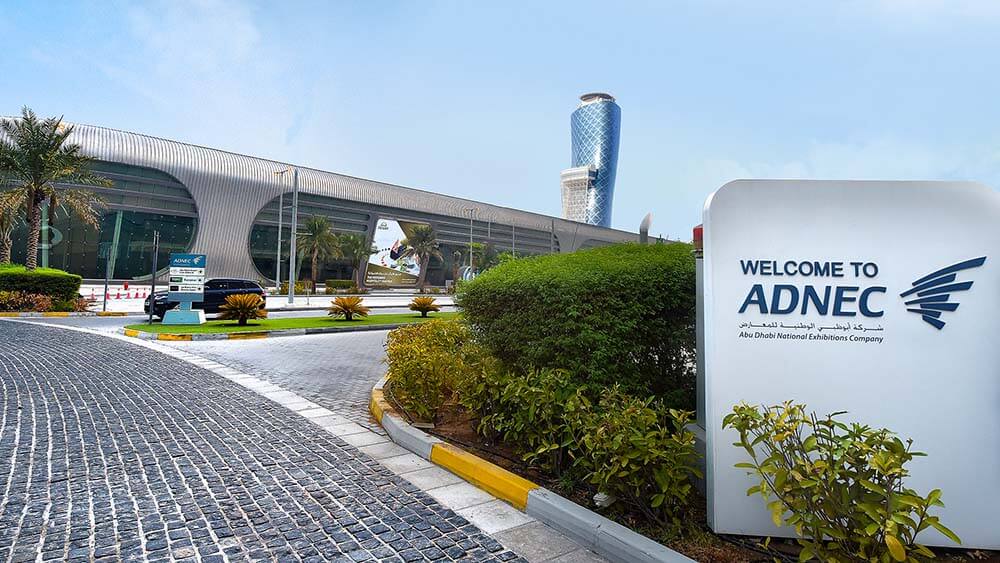
If you run an event agency or work as a freelance event manager in Abu Dhabi, you already know one thing: nothing moves until the permit moves. Whether it’s a corporate conference at ADNEC, a product launch at a hotel ballroom, or an outdoor activation on the Corniche, every event requires the right approvals from the Department of Culture and Tourism – Abu Dhabi (DCT).
In 2024 and 2025, Abu Dhabi tightened and standardized the event licensing process. That means more structure, less guesswork, shorter processing times, but also zero tolerance for incomplete or incorrect submissions. This guide is built specifically for event agencies and freelancers who want to avoid rejection, fast-track approvals, and manage client expectations confidently.
Quick answer (2025)
Abu Dhabi event permits are issued through DCT’s Event Licensing System (ELS) via TAMM. Most corporate permits take 3–5 working days when your venue NOC + agenda + IDs are complete. Submit at least 10–14 days before the event to avoid delays.
Abu Dhabi Event Permit Checklist (ELS)
Before you submit in ELS, have these ready:
- Trade license (includes event management activity)
- Venue NOC / booking confirmation
- Full agenda / schedule (timings + sessions + speakers)
- Organizer ID + key speaker/performer IDs (if required)
- Marketing materials (poster, landing page, ads) if public-facing
- Floor plan / layout (exhibitions/outdoor/complex setups)
- Ticketing plan + link (if ticketed)
- Safety / crowd plan (especially outdoor or high attendance)
Realistic approval timelines (what agencies actually see)
- Simple corporate event: 3–5 working days
- Exhibition: 5–7 working days
- Entertainment (performers): 7–12 working days
- Outdoor event: 5–15 working days
- Multi-approval events (police/NOCs): 7–20 working days
Event permit fees in Abu Dhabi (what affects cost)
ELS fees vary based on the event type and requirements. The biggest factors that affect fees and approvals are:
- Event type (corporate vs exhibition vs entertainment vs outdoor)
- Ticketed vs free entry
- Performers/entertainment involvement
- Outdoor setup and crowd/safety planning
- Additional approvals required (venue rules, police/NOCs)
Tip: submit the correct event category in ELS first , the fee and payment steps appear during the application.
1. Why Event Permits Matter So Much in Abu Dhabi
Abu Dhabi is home to government conferences, high-security events, corporate summits, luxury launches, cultural festivals, international delegations, and ticketed entertainment events. Because of this, the government enforces strict compliance to ensure public safety, avoid unlicensed activities, manage cultural sensitivity, control crowd flow, ensure venue readiness, and track and regulate ticket sales.
Every event, big or small, must be licensed. Even closed corporate events in hotels require approval. Agencies who fail to get permits risk event cancellation, client penalties, reputation damage, delays, fines, and losing government trust. In Abu Dhabi, permit mastery equals agency professionalism.
2. Understanding the Event Licensing System (ELS)
All event permits in Abu Dhabi are processed through ELS (Event Licensing System), operated by the Department of Culture and Tourism – Abu Dhabi (DCT). This single-window platform centralizes all event approvals across the emirate.
You must use ELS if your event includes conferences, exhibitions, workshops, corporate meetings, entertainment events, ticketed events, festivals, sporting events, community activities, outdoor events, or any event with branding or a public audience. Whether free or paid, public or private, you must submit a permit. Agencies submit on behalf of clients; freelancers submit under the contracting company.
3. Types of Event Permits in Abu Dhabi (Explained Simply)
1) Conference & Business Event Permit (corporate meetings, summits, training sessions, seminars, product launches, workshops).
2) Exhibition Permit (ADNEC, hotel ballrooms, outdoor exhibition zones; selling/displaying products may add rules).
3) Entertainment Event Permit (concerts, shows, cultural performances, ticketed entertainment, public festivals; more documentation if performers are involved).
4) Sports & Fitness Permits (marathons, fitness activations, sports tournaments; extra safety compliance).
5) Outdoor Activation Permit (Corniche setups, public spaces, malls, outdoor plazas, pop-ups; includes crowd management planning).
All permits require event details, venue NOC, schedule, IDs, risk/safety considerations, and ticketing plan (if applicable).
4. What Documents Agencies Must Prepare (Non-Negotiable)
- Trade license of the organizing agency (active; includes “event management” or similar).
- Venue booking or NOC (hotels, ADNEC, resorts, public spaces).
- Full event schedule/agenda (timings, speakers, sessions, breaks, performance slots).
- Passport/Emirates ID copies (main organizer, performers, speakers, VIPs if required).
- Marketing materials (posters, landing page, social ads) if used.
- Floor plan or layout (exhibitions, conferences, outdoor events).
- Ticketing setup for paid events (system, pricing, seating categories).
- Safety/crowd/logistics plan (especially for outdoor or high-attendance events).
- Payment of licensing fees (varies by event type).
Need compliant ticketing and registration systems that match your permit? Review our pricing plans to keep ELS submissions consistent with your setup.
5. Step-by-Step: How Agencies Apply for Event Permits in Abu Dhabi
- Go to ELS through TAMM (TAMM → DCT → Events Licensing System).
- Create organizer profile (trade license, contact/company details).
- Choose event type (conference, exhibition, entertainment, workshop, private corporate event, outdoor).
- Fill event details (title, description, dates, times, venue, agenda, expected attendance). Accuracy matters, changes require re-approval.
- Upload all required documents (avoid missing/wrong documents, missing venue NOC, missing agenda, incorrect license).
- Submit and pay fees (processing starts after payment).
- Track application (respond quickly to DCT requests).
- Receive permit (then proceed with production, branding, ticketing, promotion).
6. How Long It Takes (Realistic Timelines for Agencies)
- Simple corporate event: 3–5 working days.
- Exhibition: 5–7 working days.
- Entertainment event with performers: 7–12 working days.
- Outdoor event: 5–15 working days.
- Events requiring multiple approvals (e.g., police/NOC): 7–20 working days.
Agency rule: submit at least 10–14 days before the event. Last-minute approvals are possible but riskier and more expensive.
7. Common Reasons Event Permits Get Rejected (Agencies Hate These)
- Missing or incorrect documents.
- Venue not confirmed (requires contract or NOC).
- Performers missing permits (entertainment events).
- Incomplete agenda.
- Last-minute changes (timings, speakers, venue, contact, ticketing plan).
- Non-compliant marketing (cultural/content guidelines).
- Insufficient safety planning (especially outdoor).
8. Tickets & E-Ticketing: What Agencies Need to Know
- Ticketed events require linking to the ELS (ticket link, pricing, categories, seating plan if applicable).
- If tickets change, the permit changes (re-approval needed).
- Avoid unapproved ticketing systems; use compliant systems that generate QR codes and reporting.
9. Working with Venues: What ADNEC & Hotels Expect
ADNEC requirements: floor plan, production schedule, exhibitor list (if applicable), safety plan, contractor details.
Hotel ballroom requirements: agenda, host list, setup schedule, external supplier details.
Outdoor venue requirements: power, security, crowd control, barriers, approvals from multiple entities.
10. How Event Agencies Can Avoid Delays & Make Clients Trust Them
- Start early (10–14 days before the event).
- Over-prepare documentation (IDs, floor plans, agendas).
- Communicate with venues (confirm NOCs/bookings early).
- Pre-qualify entertainers/speakers (correct IDs/visas).
- Use proper ticketing and registration systems (approved, compliant, stable).
- Manage client expectations (realistic timelines).
- Keep everything in one place (shared folders or event software).
11. Why Using a Platform Helps Agencies (Huge Advantage)
Event agencies in Abu Dhabi benefit from using a proper event platform because it delivers faster permit preparation, clean agendas and documentation, ticketing integration, QR codes that comply with event standards, reliable guest lists for submission, smooth check-in on event day, better coordination with venues, and easier modification handling. It shows clients professionalism and reduces risk dramatically.
FAQs
How do I get an event permit in Abu Dhabi?
Apply through DCT’s Event Licensing System (ELS) via TAMM. Submit event details, upload required documents (venue NOC + agenda + IDs), pay fees, and respond quickly to any DCT requests until approved.
How long does an Abu Dhabi event permit take?
Simple corporate events often take 3–5 working days if documents are complete. Exhibitions, outdoor events, and entertainment events with performers can take longer depending on extra approvals.
What documents are required for a DCT ELS permit?
Typically: trade license, venue NOC/contract, agenda/schedule, organizer ID, speaker/performer IDs if applicable, marketing materials if public-facing, floor plan for complex events, ticketing plan/link if ticketed, and safety/crowd plan for outdoor events.
Why do Abu Dhabi event permits get rejected?
Common reasons include missing venue NOC, incomplete agenda, mismatched event details, missing IDs for key participants, non-compliant marketing content, insufficient safety planning, or last-minute changes after submission.
Do private corporate events in hotels need permits?
Yes. Even closed corporate events in hotels typically require approval through ELS. Always confirm with the venue and submit the correct event type in the system.
Ready to keep permits, ticketing, and QR check-in aligned for your next event?
Conclusion: Mastering Event Permits = Stronger Agency Reputation
Abu Dhabi’s event industry is growing fast, and so are expectations. Agencies that understand the permit system, prepare properly, and follow the ELS steps avoid stress, delays, rejections, angry clients, and last-minute chaos. A clean, compliant process makes you more trusted, professional, competitive, and valuable to government and corporate clients.